Hidden Signals From Your Gut: 5 Science-Backed Warnings You Shouldn’t Ignore
A deep look at how digestion, mood, and metabolism stay in scientific balance.
We often blame “stomach issues” on eating the wrong foods and assume bloating or diarrhea is just a temporary inconvenience. But your digestive system may be sending distress signals in ways you’d never expect—through low mood, chronic fatigue, or even skin issues.
To restore long-term internal balance and health, we need to look past the surface and understand what the gut truly needs. Below are five commonly overlooked warnings that your digestive system may need a full reset.
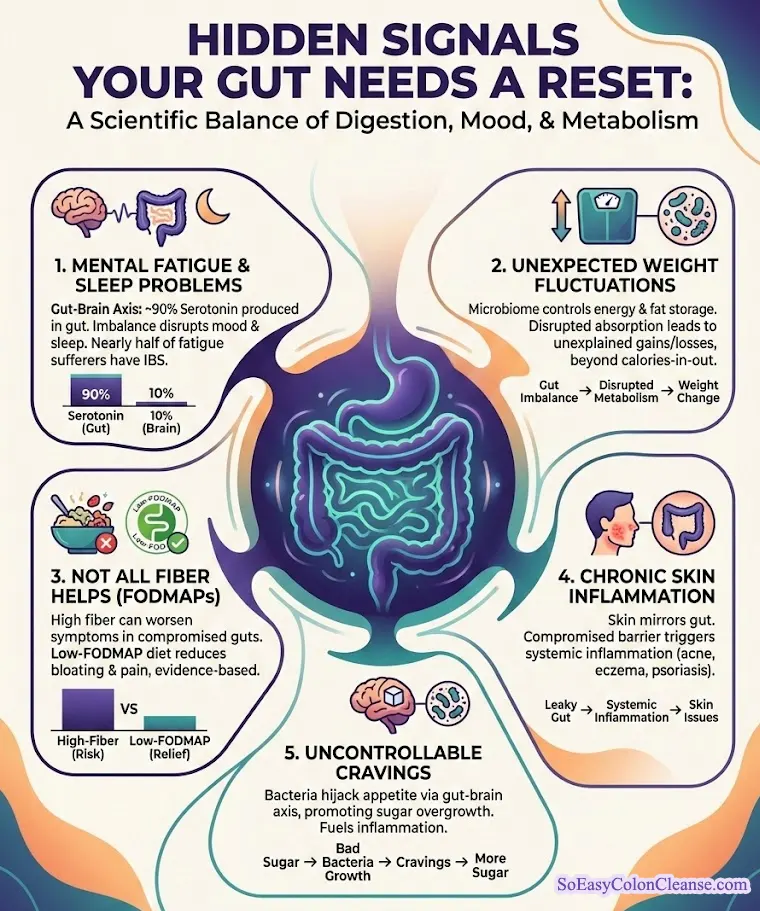
1. Mental Fatigue & Sleep Problems: The Hidden Gut-Brain Connection
Frequent chronic fatigue or ongoing sleep disturbances can be strong signs of gut microbiome imbalance.
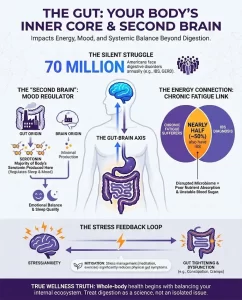
The link comes down to neurochemistry: most of your body’s serotonin—the neurotransmitter responsible for mood and sleep—is produced in the gut. When the gut is inflamed or its bacterial balance is off, serotonin production and regulation are disrupted.
This imbalance can cause insomnia, poor sleep quality, and daytime fatigue. Research even shows that nearly half of people struggling with fatigue also experience Irritable Bowel Syndrome (IBS).
Gut dysbiosis and nervous system inflammation can also contribute to anxiety and depression. Adjusting the gut through diet, probiotics, and targeted nutrition can improve insulin sensitivity, cognitive function, and overall mood.
2. Unexpected Weight Fluctuations: When Your Microbiome Controls the Scale
Your gut plays a direct role in how your body manages energy, fat storage, and blood sugar.
When the gut microbiome is unbalanced, nutrient absorption and metabolic function become disrupted. This can lead to unexplained weight gain or weight loss.
Weight management isn’t just a simple calories-in-calories-out equation—it’s deeply tied to microbial metabolism and hormonal balance.
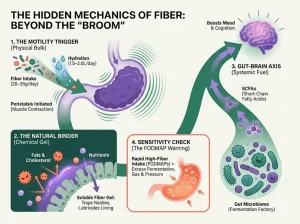
3. Not All “Healthy” Fiber Helps You—And Some Makes You Worse
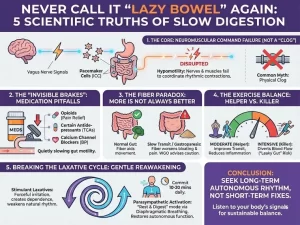
When treating constipation, many people assume “more fiber is always better.” But this isn’t always true.
A high-fiber diet can support healthy bowel movement, but if your gut is already compromised—or if you have functional GI disorders like IBS—rapidly increasing fiber intake can worsen symptoms like:
- Bloating
- Gas
- Abdominal pain
For people sensitive to FODMAPs (fermentable carbohydrates), a low-FODMAP diet is an evidence-based second-line therapy that can significantly reduce bloating and discomfort.
For GERD (acid reflux), lifestyle adjustments—weight loss, quitting smoking, elevating the head of the bed—remain core medical recommendations supported by strong clinical evidence.
4. Chronic Skin Inflammation: Your Gut’s Trouble Reflected on the Surface
Your skin, the body’s largest organ, often mirrors what’s happening inside your gut.
Chronic or recurring conditions like acne, eczema, and psoriasis can be linked to gut imbalance.
When the gut barrier becomes compromised, it triggers systemic inflammation that manifests on the skin. Certain harmful bacteria can also contribute to autoimmune issues such as:
- Thyroid disorders
- Rheumatoid arthritis
- Multiple sclerosis
5. Uncontrollable Cravings: When Bad Bacteria Hijack Your Appetite
If you constantly crave food—especially sugar—it may not be a lack of willpower. It could be your gut bacteria manipulating your cravings.
Excess sugar intake, especially from high-fructose corn syrup, promotes the overgrowth of harmful microbes. These bacteria can disrupt appetite regulation and influence your brain through the gut-brain axis, pushing you toward more sugary foods.
This imbalance can fuel inflammation and increase your risk for chronic disease.
Why a True Gut Reset Requires More Than Temporary Fixes
After understanding these subtle scientific signals, it becomes clear: digestive issues can’t be solved with short-term hacks. A real reset requires a structured, science-backed approach.
Modern life makes consistent healthy habits challenging—precise nutrition, regular exercise, 7–8 hours of sleep, and stress management are difficult to maintain. This creates an “efficiency gap” that a targeted reset program can help fill.
A complete science-based reset should gently clear accumulated waste (often referred to as old buildup) while providing plant fibers and organic compounds that support natural detoxification.
For example, the So Easy 3-Day Cleanse focuses on removing waste from the digestive tract and cleaning the system. It includes:
- Palm fiber and organic ingredients to help eliminate toxins
- Compounds aimed at clearing buildup along the colon walls
- Wheatgrass, which supports metabolic balance, hormone regulation, circulation, and cellular function
With a tailored formula and a three-day rest period, your GI system can experience a meaningful boost in vitality.
Gut Repair Is a Long-Term Investment in Your Inner Balance
Restoring gut health isn’t about instant gratification—it’s a long-term investment in deep internal balance.
True vitality starts with understanding your body’s subtle signals and responding proactively.
By combining science-backed lifestyle adjustments with effective reset tools, you can build a strong foundation for lifelong health.
Start now—begin by learning your own gut’s needs.
Share your first “gut reset” step in the comments or consult a professional to begin your personalized wellness journey.
FAQ
Q: What are the main warning signs that my gut needs a reset?
A: Key signs include chronic mental fatigue, unexpected weight fluctuations, uncontrollable sugar cravings, persistent sleep problems, and recurring skin conditions like eczema or acne. These signals indicate an imbalance in your gut microbiome.
Q: How does gut imbalance affect mood and sleep?
A: Most of the body’s serotonin, crucial for mood and sleep, is produced in the gut. When the gut is inflamed or unbalanced, serotonin production is disrupted, leading to insomnia, poor sleep quality, anxiety, and depression.
Q: Can an unhealthy gut cause unexplained weight changes?
A: Yes, an unbalanced gut microbiome directly affects metabolic function, blood sugar regulation, and nutrient absorption. This disruption can cause unexpected weight gain or difficulty losing weight, proving that weight management is more than just counting calories.
Q: Is more fiber always better for digestive issues?
A: Not always. While fiber supports healthy movement, rapidly increasing it can worsen symptoms like bloating and pain if you have a compromised gut or functional disorders like IBS. For some, a low-FODMAP diet is a more effective therapy.